Surf Point
Reflections from the coast of Maine during an unusually warm February.

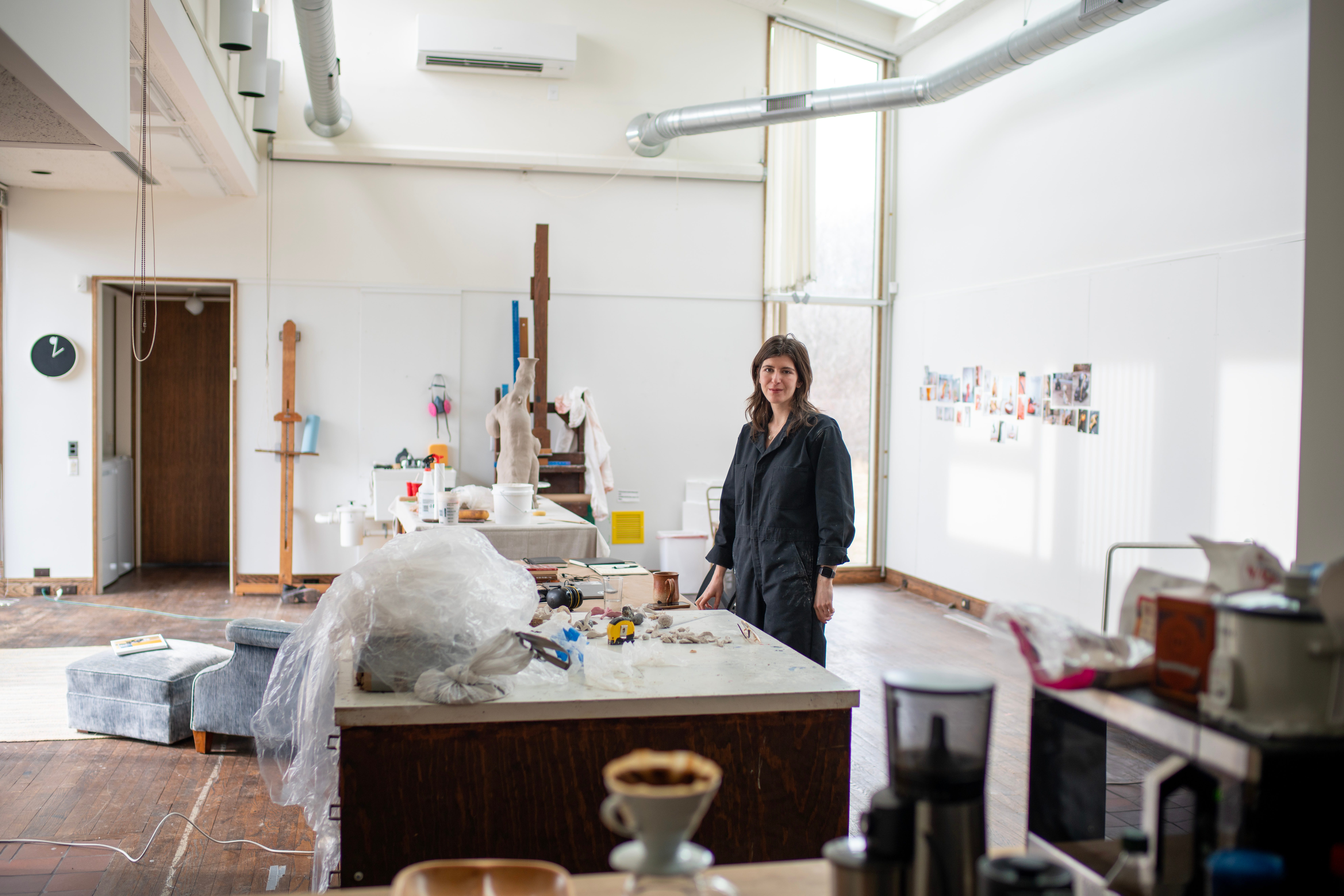
I started writing this first edition during my final hours at Surf Point Foundation. For most of February, I was working on the Southern Coast of Maine inside the former home of painter Beverly Hallam and arts patron Mary-Leigh Smart. It feels strange to describe this space as a former home because it feels as if it’s still occupied by them in so many ways.
I worked out of Beverly’s studio space. It feels like its own little world, with an in-studio kitchen, dining room, and attached bedroom and bathroom. I’ve always been skeptical of live-work spaces (particularly since my practice is quite dusty and messy), but I’ve really come around to the idea of dissolving the boundary between living and working. Other than the incredible landscape, the thing I miss the most is having a kitchen in the studio. So many ideas came to me looking at my work while making my morning coffee or my dinner.
This is a romantic conceit, but I’ve always felt like artist studios serve as a partner to their artists. You can tell this studio was well-loved and well-lived in. I was instantly comfortable making here.
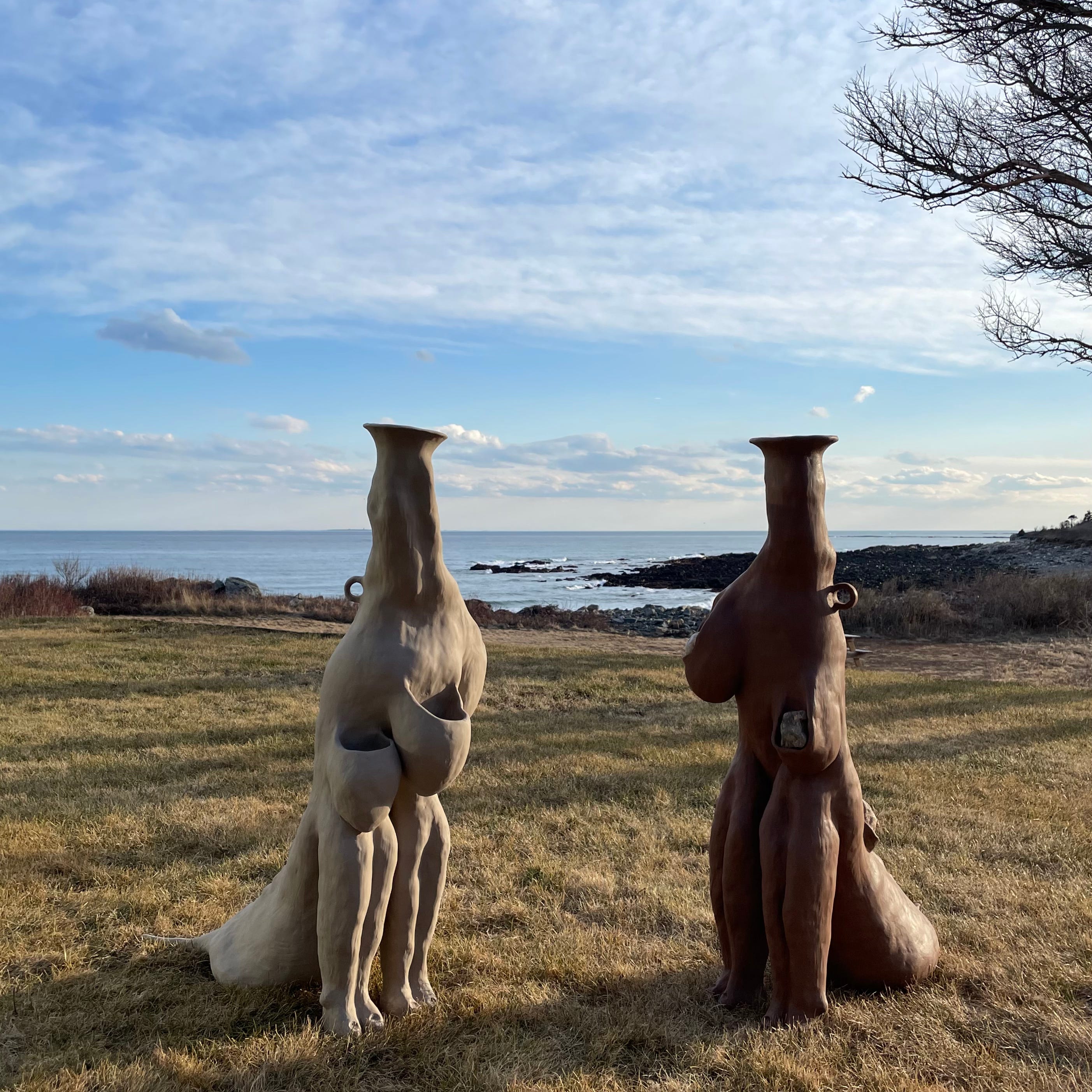
I’ve been preparing for my upcoming solo exhibition at NARS Foundation that opens April 14, The Doctrine of Signatures. The title refers to cross-cultural theory that plants which resemble parts of the body carry medical properties to heal those body parts. I currently have several dozen tulip bulbs buried in soil in my studio mini-fridge, waiting to be embedded within the bodies I am making for this exhibition. This is the potential culmination of my use of tulips as a signature for anxiety and uncontrollable growth.
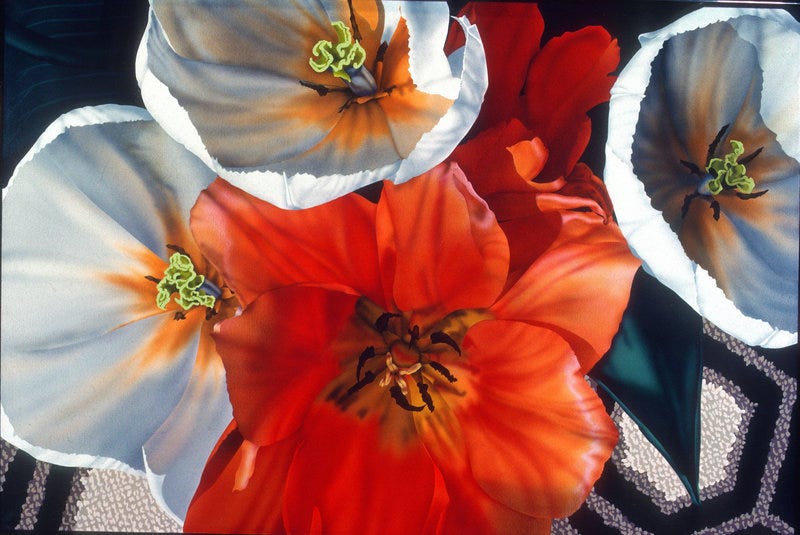
As I learned more about Beverly’s practice, it was exciting to see that she too was fascinated by these often unruly blooms. I love how dramatic and decidedly unprecious she portrays the flowers in her paintings.
My mornings at Surf Point were spent reading. I finally made a dent in my ever-growing backlog of books. The biggest thing I’ve been trying to figure out with my upcoming show is how I can make the installation feel like a singular fragmented body. I’m still not 100% sure if I’m going to get there with this show, but these texts helped me distill a lot of ideas about dissolving bodily boundaries, surfaces, failure, figuration, and the seepage between interiors & exteriors.
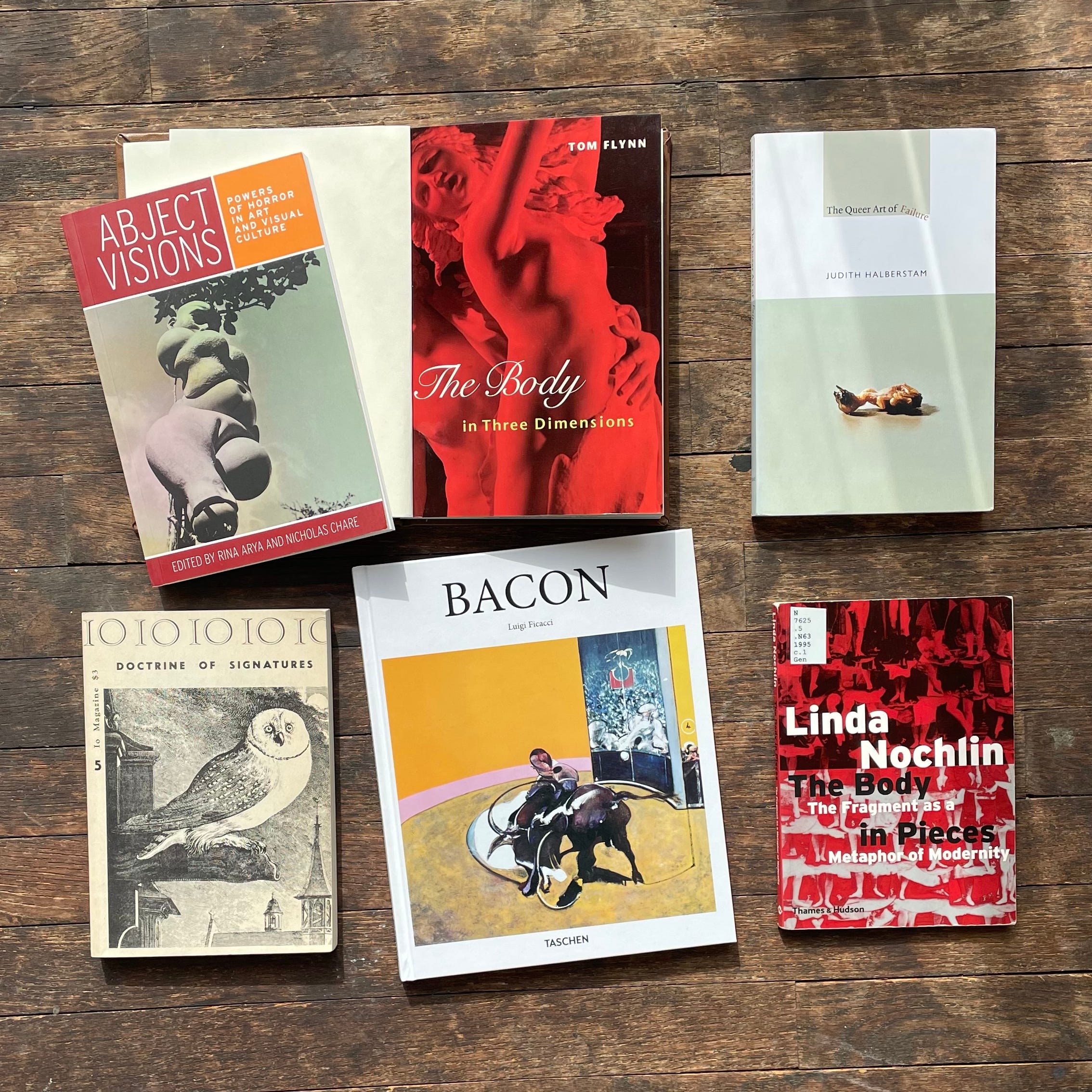
The Doctrine of Signatures IO Magazine edition was a particularly lucky find. I was browsing Alilibris while looking for a copy of Abject Visions and was curious what would show up when searching for “doctrine of signatures.” Even though it’s the title of my show, I honestly hadn’t done much research about the doctrine besides leafing through a 400 year old copy of Giambattista della Porta’s Natural Magic at the University of Chicago’s rare book collection. When I stumbled upon this old literary magazine I was immediately intrigued. It places excerpts from Foucault’s The Order of Things alongside alchemic illustrations, writings on astrology, and poetry.
The collection opens with a text by Richard Grossinger, one of the founders of IO. He describes signatures as a bridge between the revealed world and unrevealed world. This is what art is to me—a bridge that creates meaning through often absurd connections.
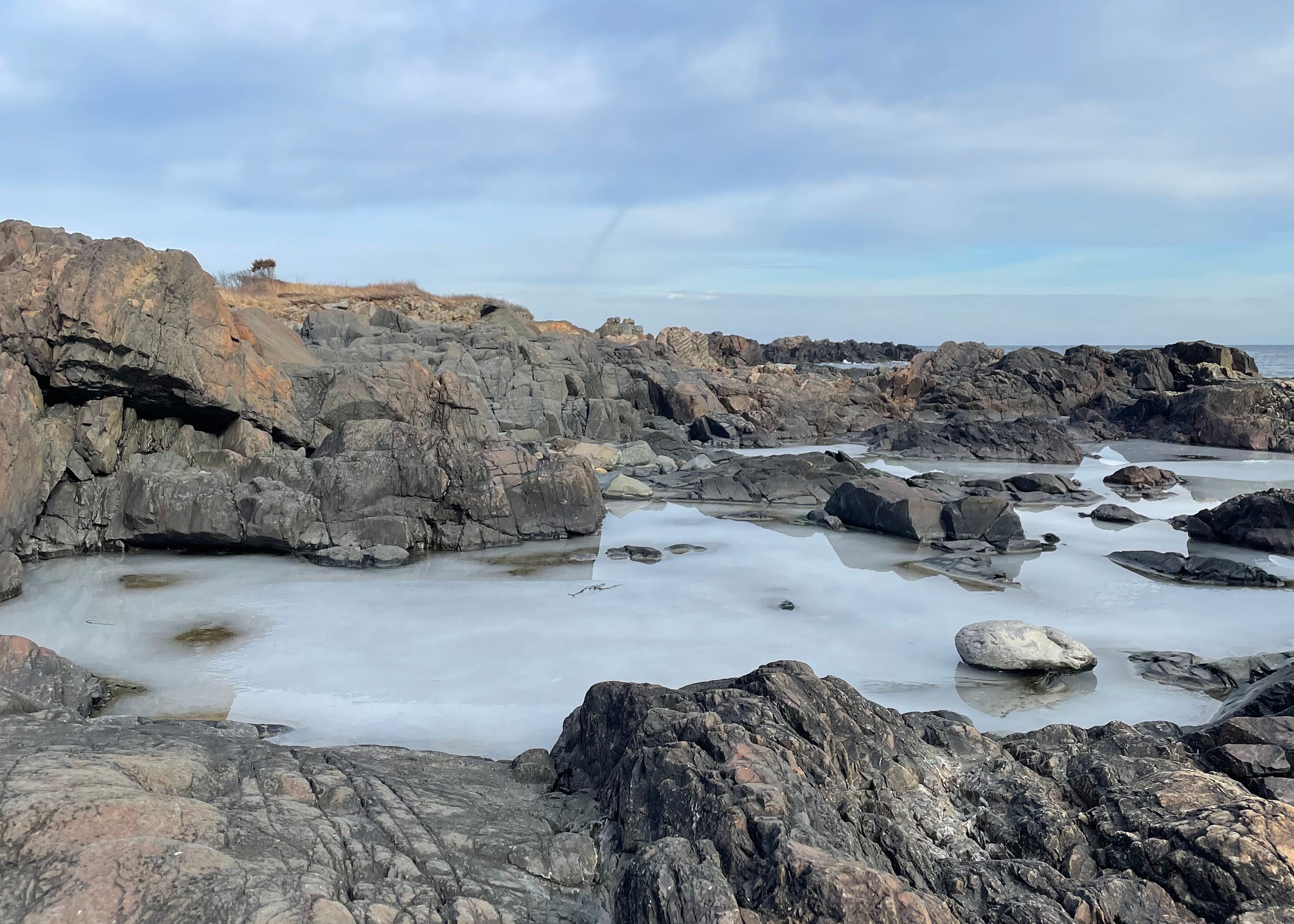
When I started to feel a bit sleepy in the mid-to-late afternoon, I took walks around the Surf Point property. The beach is dramatically rocky. Low tide is my favorite, when I can walk out to the milky tide pools and comb the beach for ocean-polished shells and stones. A trail passes through the forest filled with massive lanky pines, vernal pools, and polypores over everything. And of course the light bathing over it all—quality and direction constantly shifting. The landscape is so visually rich that I made new discoveries and observations each time.
With the idea of signatures floating through my mind, I found myself making lots of visual connections. The gashes in the trees immediately reminded me of this particularly yonic rendition of Christ’s side wound from The Prayer Book of Bonne of Luxembourg.
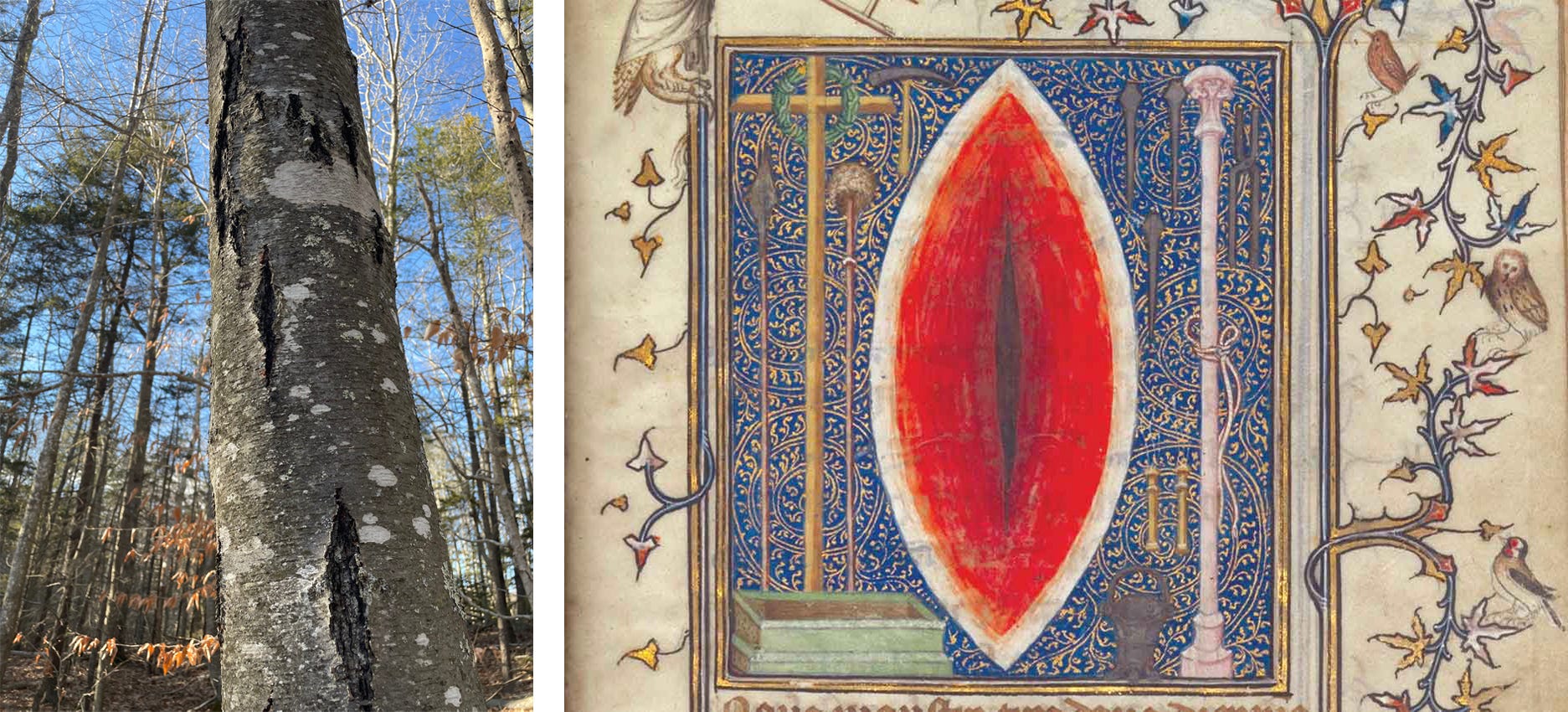
As I almost always have in the past four years, I returned to Hieronymus Bosch’s Cutting the Stone while I picked up & held different stones on the beach. My last week I reread Sylvia Plath’s poem Tulips and was drawn most to this line about the nurses gathered around her:
My body is a pebble to them, they tend it as water
Tends to the pebbles it must run over, smoothing them gently.
The inclusion of tulips in my practice started in reference to Bosch’s transformation of the mythical stone of madness into living plant matter. It feels right that now I return to minerality.
Melancholy is an atmosphere that I have continually returned to over the past few months. My husband is doing his graduate degree at our college alma mater (the University of Chicago), so I’ve been hanging out on campus for the first time in nearly a decade. One of my favorite spots to work is the loud, cozy student union building where I would frequently go to nap between classes. Even though it’s a place that holds a history of personal trauma, I find myself drawn back to nestle in those couches over and over. I haven’t been able to fully unravel why I find comfort in bathing myself in this atmosphere of melancholia.
A lot of the music I listened to at Surf Point captures this atmosphere—airy and intimate with a sense of enveloping yourself in a warm blanket on a very cold night (which was something I was literally doing during the arctic blast my first few nights in Maine).
Music is a huge part of my studio process, so I’m going to try to include playlists with each of these Studio Notes editions. Here’s the first, with songs I listened to while at Surf Point:
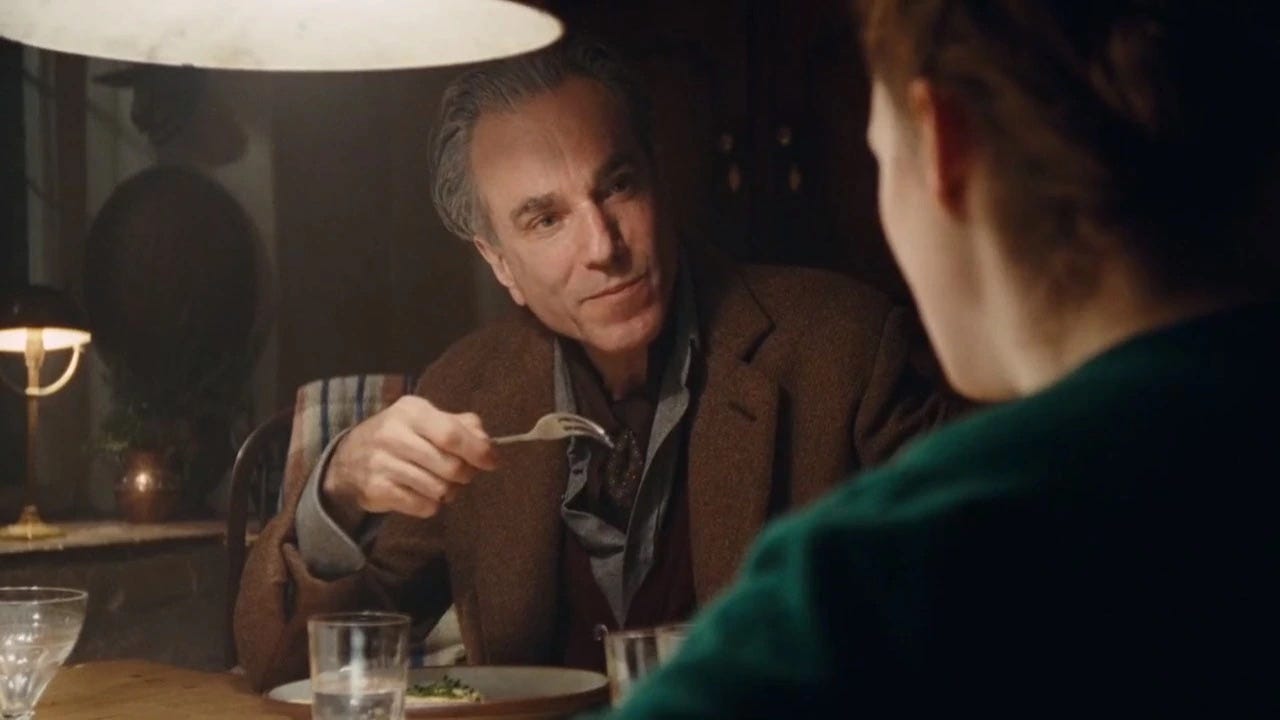
The Eternal Sunshine of the Spotless Mind and Phantom Thread soundtracks were on heavy rotation for me this month. I rewatched both films at Surf Point. Each does an impeccable job of capturing the giddy infatuation when we’re just skirting on the surface of another person, which inevitably gives way to grappling with what we can and cannot change in both our partners and ourselves once the boundaries between us have dissolved.
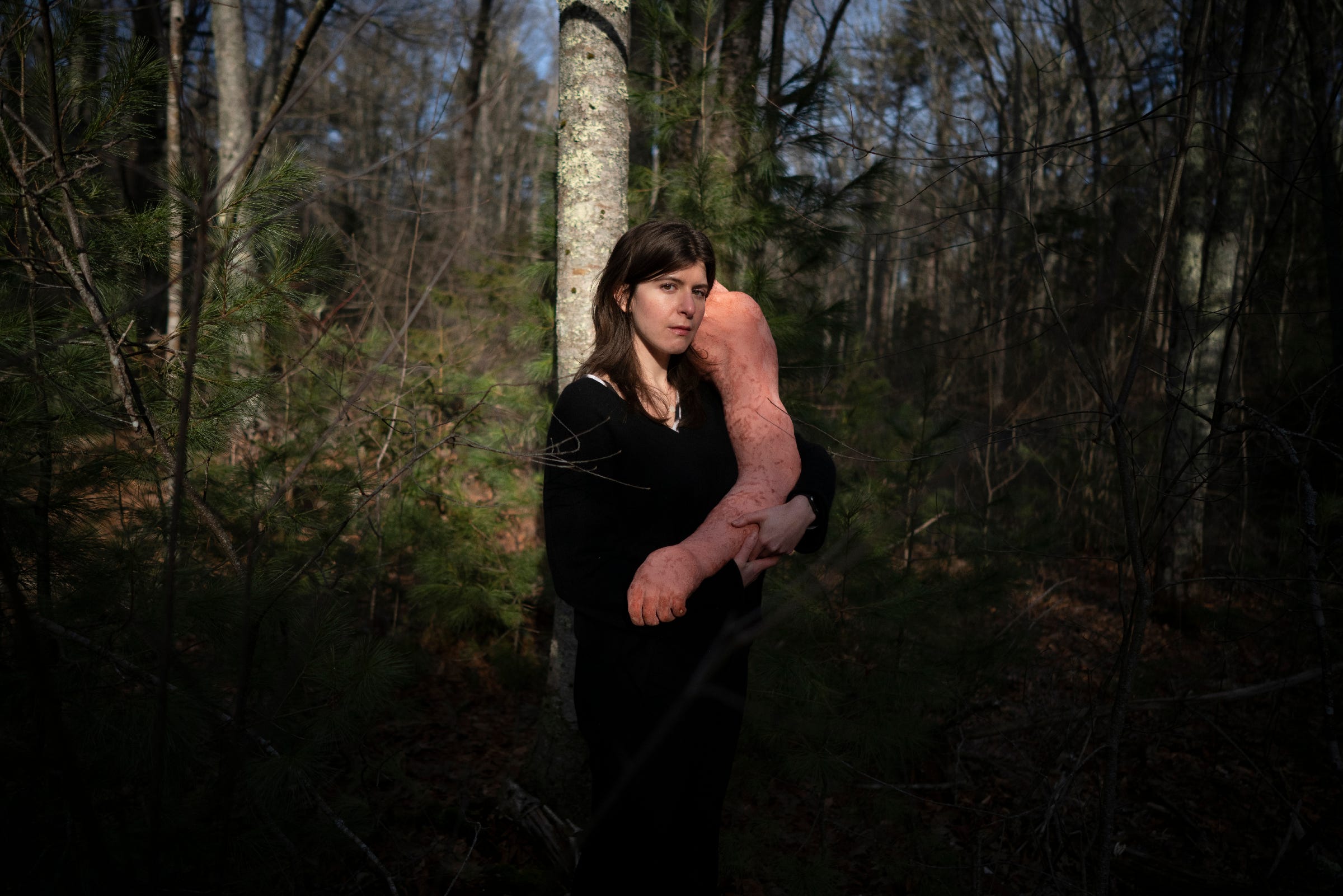
Once I got back to New York, I realized all of the work in my show can be grouped in pairs, save for one sculpture. It finds its pair in the viewer, or for now in me. I’ll end this first edition with this photograph my fellow resident Jake Price took of me and this sculpture in the Maine forest. Thank you for reading & talk soon.
xo, Nicki